The 3 Proven Tropical Plant Propagation Methods: Stem Cuttings & Air Layering
The botanical science of root organogenesis, why water roots need special soil transition care, and how to air-layer giant tropicals at home.
The Magic of Making Free Plants from a Single Vine
There is nothing quite as satisfying in houseplant care as taking a single cutting from your favorite plant, watching it grow fresh white roots on your windowsill, and potting it up into a brand-new houseplant. Over the past eight years, almost half the plants in my home started as small cuttings from friends or pruned vines from my own collection.
Yet propagation is also where many beginners hit roadblocks: cuttings that turn to brown slime in water, leaf stems that never grow new leaves, or gorgeous water-rooted plants that immediately wilt and die when transferred into soil. Once you understand the hormonal biology of stem nodes and the structural difference between water roots and soil roots, you can propagate almost any tropical plant with near-100% success.
The Science: Meristem Nodes, Auxins, and Water Roots
1. Why You Must Have a Node (Auxins and Meristems)
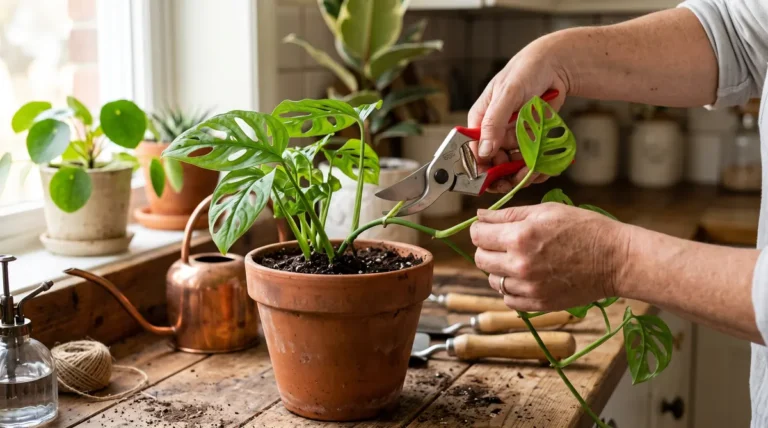
One of the most common beginner mistakes is snipping off a single leaf and petiole (leaf stalk) and sticking it in water. While the petiole may stay green for months, it will never grow into a full plant. Why?
Plant propagation research (Hartmann et al., 2011; De Klerk et al., 1999) shows that new shoots and roots require undifferentiated stem cells found exclusively in meristematic tissue at stem nodes. When you cut a vine just below a node, the plant’s natural growth hormone, auxin (IAA), pools at the base of the cut, signaling those dormant cells to generate brand-new root organs (organogenesis) and vegetative growth buds.
2. Water Roots vs. Soil Roots: Why Transferred Cuttings Wilt
Roots grown in a glass of water are biologically different from roots grown in soil (Visser & Voesenek, 2004). In water, roots develop fragile, open-chambered cells called aerenchyma to draw oxygen directly from liquid. They are thin, brittle, and lack the microscopic root hairs needed to pull moisture from soil particles.
When you take a cutting with long water roots and shove it straight into dry, coarse potting soil, those delicate water roots collapse under friction and dehydrate. The secret to a successful transition is keeping the soil consistently damp for the first ten to fourteen days so the cutting can grow robust lateral soil roots without drying out.

3 Proven Tropical Propagation Methods
1. Water Propagation (Best for Trailing Vines)
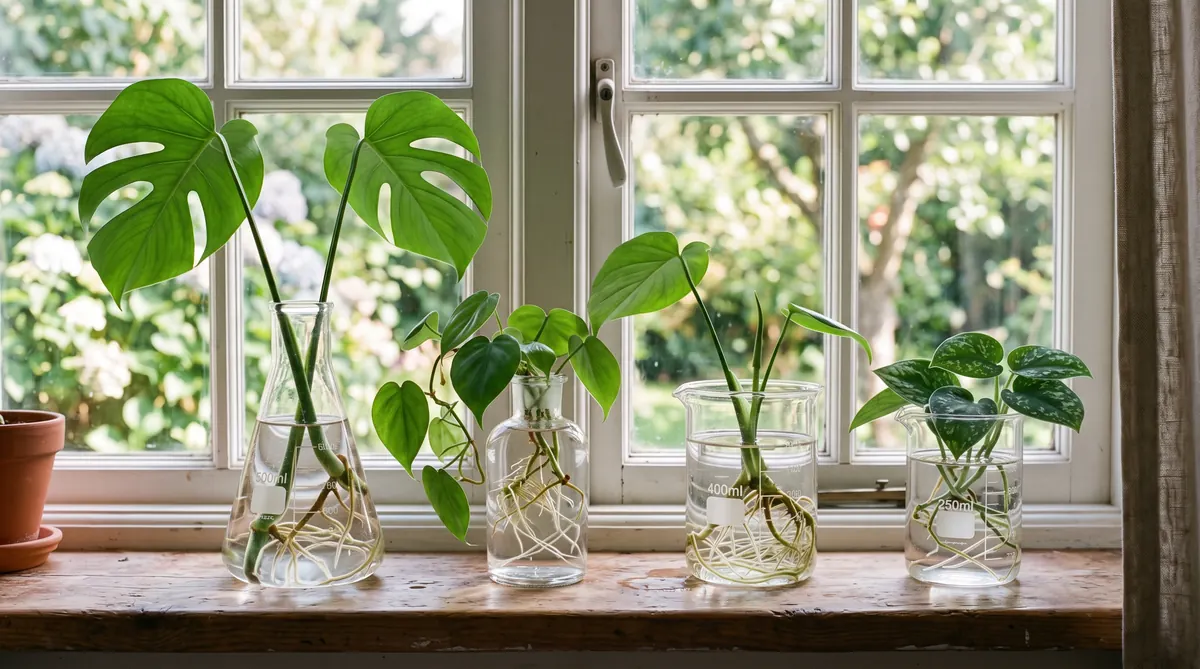
Water rooting is visual, simple, and ideal for trailing plants like Heartleaf Philodendron, Pothos, and Syngoniums. Cut a section of vine containing two to four leaves, snip off the lowest leaf to expose the node, let it callous for thirty minutes, and place the node in clean room-temperature water. Change the water weekly to maintain dissolved oxygen levels.
2. Air Layering (Best for Giant Monsteras and Ficus)
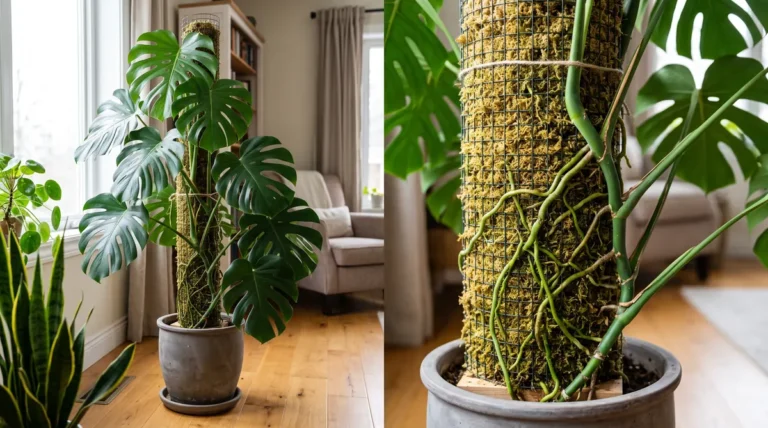
If you have a massive Monstera that is getting too tall or leggy, taking a top cutting directly can cause severe shock. Air layering allows you to grow a full root system on the plant while it is still attached to the mother root system.
Wrap a handful of damp sphagnum moss around an active stem node with an aerial root, cover it with clear plastic wrap, and secure both ends with tape or twist ties. In four to six weeks, you will see a dense ball of roots inside the plastic. Simply cut below the moss ball and pot your fully rooted top directly into a pot with zero wilting.
3. The Perlite / Sphagnum Moss Propagation Box
For delicate cuttings (like Alocasia corms or rare velvet aroids), rooting in water can sometimes lead to rot. Placing cuttings in a clear plastic container filled with damp coarse perlite or moist sphagnum moss creates a 100% humidity greenhouse environment that speeds up rooting without waterlogged hypoxia.
How to Transition Water Roots to Soil Without Shock
Follow this 3-step protocol when potting water-rooted cuttings to guarantee a smooth transition:
- Pot When Roots Are 2 to 3 Inches Long: Do not leave cuttings in water for six months until roots form massive tangled balls. The younger and shorter the water roots, the faster they adapt to soil.
- Use a Chunky, Aerated Substrate: Plant into an open mix of bark, perlite, and coco coir rather than dense potting soil. Explore my master blend in The Science of Chunky Aroid Soil: DIY Substrate Recipes for Epiphytic Root Health.
- Keep Soil Damp for the First 10 Days: Water lightly every three to four days for the first two weeks, gradually tapering off as the plant establishes true soil roots.
Propagation Methods by Plant Type
| Plant Group | Best Method | Typical Rooting Time |
|---|---|---|
| Trailing Vines (Pothos, Heartleaf Philodendron) | Water propagation from single/multi-node stem cuttings | 10 to 14 days |
| Large Climbers & Trees (Monstera, Ficus) | Air layering with damp sphagnum moss on mature stems | 4 to 6 weeks |
| Corm Formers (Alocasia, Colocasia) | Damp perlite box or shallow moss tray | 3 to 6 weeks |
| Succulent Aroids (ZZ Plant) | Single detached leaflet in damp sandy mix or water | 8 to 12 weeks |
Troubleshooting Propagation Headaches
• Cutting Turns Mushy and Black in Water
This is caused by bacterial rot entering an uncalloused cut or water lacking dissolved oxygen. Trim off the rotten tissue back to healthy green stem with a sanitized blade, let the cut air-dry for 45 minutes, place in fresh water, and change the water every 5 days.
• Leaves Wilt Immediately After Potting into Soil
The fragile water roots are suffering from moisture shock. Place a clear plastic bag loosely over the cutting for five days to trap high ambient humidity around the foliage while the roots adjust to pulling moisture from the soil.
• Cutting Sits in Water for Weeks with Zero Roots
Water temperature is too cold or light is too low. Move the propagation jar to a warm spot (70°F to 78°F / 21°C to 26°C) with bright, indirect sunlight to stimulate auxin activity.